2026-08-28 11:03:10
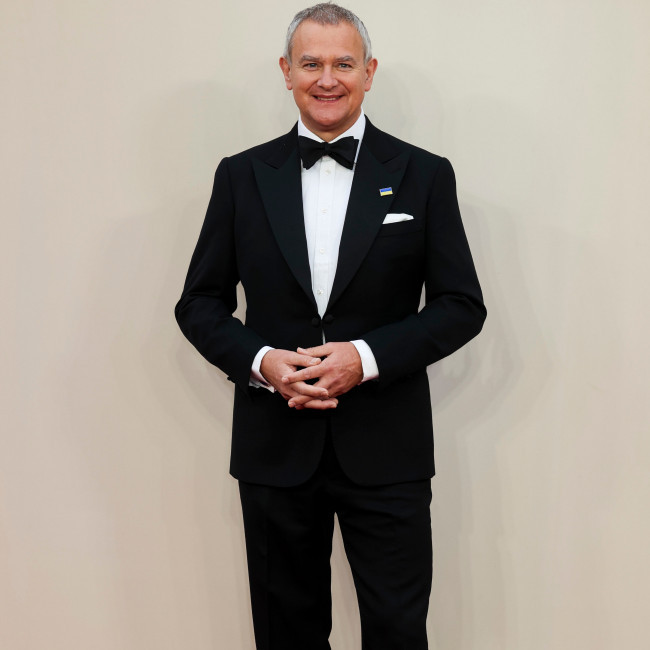
Hugh Bonneville, Nicola Coughlan and Matt Lucas are among a group of actors backing a campaign against artificial intelligence voice cloning.
Save Our Voices Now is calling for people in Britain to have legal ownership of their voices, allowing them to prevent AI systems from reproducing them without permission.
The campaign is also supported by Luke Evans, Jen Brister, Siobhán McSweeney and Pearl Mackie, with about 80 people signing an open letter calling for stronger protections.
Bonneville, known for Paddington and Downton Abbey, said his voice was part of his identity.
The 62-year-old actor said: “My voice is unique, it’s mine, it’s part of my identity. So is yours. That’s worth speaking up about.”
The campaign has also launched a government petition asking for ownership of a person’s voice to become a statutory right.
Voice cloning allows AI systems to reproduce a person’s speech and generate new words using their voice.
The technology has raised concerns over consent, performers’ rights and scams.
McSweeney, who starred in Derry Girls, said legislation and artists’ rights were failing to keep pace with AI development.
The 48-year-old actress said: “I’m deeply worried that legislation, contracts, working practices and ethics, and artists’ rights are not being considered or protected as quickly as AI technology is progressing.
“I believe that there is a way to work alongside AI and to use it as a tool that benefits us rather than rendering us obsolete.”
The campaign claims that 28 per cent of UK adults have been targeted by a voice-cloning scam.
Peter Caulfield, founder of Save Our Voices Now, said AI could replicate a person’s voice within seconds.
He said: “In just three seconds, with the right AI system, your voice can be cloned, stolen and reinterpreted without your knowledge.
“It’s a Black Mirror episode, except this isn’t fiction. It’s happening right now.”
Caulfield accused the government of allowing AI companies to profit from artists’ voices without their consent and called for legislative action.
The campaign’s supporters argue that voice cloning could have legitimate uses when artists give permission, but that people should retain control over their voices.
McSweeney said she believed AI could be used as a tool without removing the human element from creative work.
The Irish star said: “Our audiences want that human connection. Not AI.”
Other countries are already considering stronger protections.
Denmark has introduced reforms giving people legal ownership of their face, body and voice, allowing them to seek removal of unauthorised AI content and compensation.
Visit Bang Premier (main website)