2026-08-26 11:03:25
Instagram boss Adam Mosseri has denied allegations that Meta hid negative information from the public about its efforts to protect teenagers on the platform.
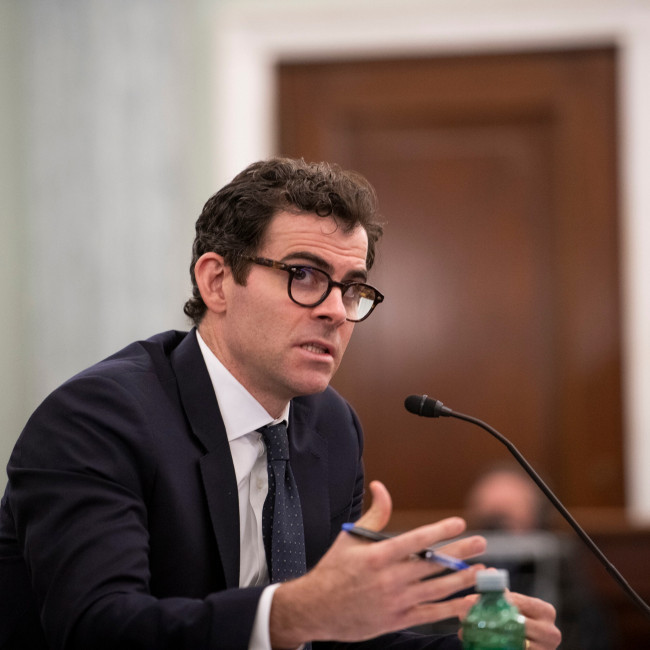
Testifying in a California courtroom on Tuesday (25.08.26), Mosseri said he was not trying to encourage employees to conceal information.
He told the jury: “I am not trying to encourage my team to hide anything.”
Mosseri, who has led Instagram since 2018, is the first senior Meta executive to testify in a landmark lawsuit brought against the tech behemoth by 29 US states.
His evidence is due to continue on Wednesday (26.08.26).
Prosecutor Jason Slothouber questioned Mosseri about Instagram’s Take a Break feature, which encourages teenagers to stop using the platform after extended periods of scrolling.
Only 1.8 per cent of teenagers had signed up for the feature, Slothouber said, despite Mosseri promoting it publicly without revealing the figure.
Mosseri responded: “We don’t publish every single stat.”
He said he had publicly acknowledged that Take a Break had a low opt-in rate, but did not believe he had disclosed the precise figure.
The states accuse Meta of deliberately designing Instagram and Facebook to keep young people engaged, contributing to mental health problems including anxiety, depression and suicidal thoughts.
They also allege Meta collected data from children under 13 without parental permission, violating federal and state laws.
Meta denies the allegations and has described the states’ pursuit of damages as an “outlandish payout”.
If found liable, the company could face damages of up to $200 billion and be forced to make significant changes to its platforms.
Mosseri was also questioned about a blog post he published in December 2021, shortly before testifying before a US Senate committee.
The post announced Take a Break and other measures aimed at protecting teenagers and supporting parents.
Slothouber questioned the timing of the announcement and whether it was intended to shape public perception before his Senate appearance.
Mosseri said: “We had made progress, and we wanted to get the progress out, so we could talk about the progress.”
He also defended repeatedly discussing safety features with parents, describing the approach as necessary to raise awareness.
His testimony follows evidence from former Meta safety engineer and whistleblower Arturo Béjar, who accused the company of having a “don’t ask, don’t tell” approach to child safety.
The trial is expected to continue through September, with Meta CEO Mark Zuckerberg among the witnesses scheduled to testify.
The case could have major implications for how social media platforms design and operate services used by young people.
Visit Bang Premier (main website)