2026-05-07 11:02:14
The future of AI and robotics could be transformed thanks to insects’ “lightning-fast reactions”, according to experts.
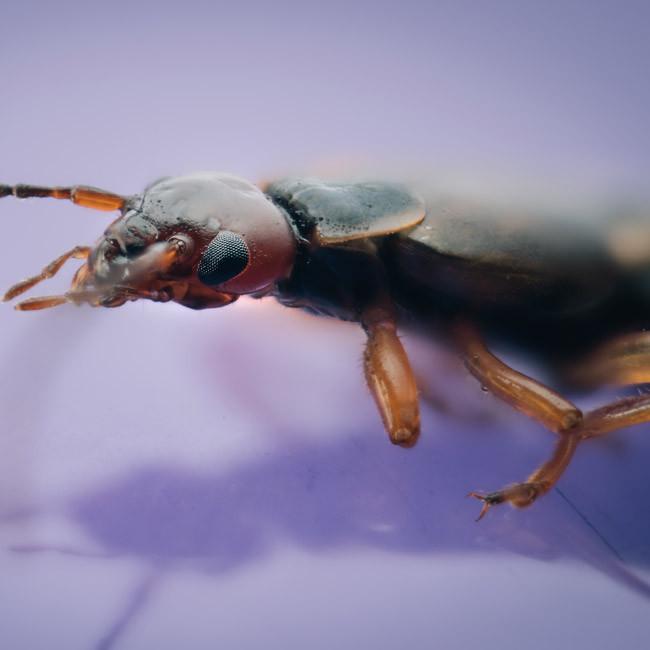
According to a new study carried out at the University of Sheffield, academics have discovered a new “turbo boost” feature, called high-frequency jumping, after studying the brains and eyes of house flies and fruit flies.
They found house flies and fruit flies do not process visual information passively, which was previously thought.
Instead, they move their bodies in tune with what they see, and their brains can receive “clearer, faster information about the world around them” as a result.
Speaking about the study, which was published in Nature Communications, Professor Mikko Juusola, senior author of the study from the University of Sheffield’s School of Biosciences and Neuroscience Institute, said: “Our findings reveal a fundamentally new way of thinking about how brains compute information – one where speed and efficiency emerge from active interaction with the environment.
“We’ve demonstrated how even the smallest brains can solve complex problems at extraordinary speeds.
“It shows that vision is not limited by the speed at which insect brains process information.
“Instead, the brain automatically speeds up to keep pace with the body, cutting out lag and making sure information flows as quickly as possible.”
The University of Sheffield’s Dr Jouni Takalo, who led the development of the biophysically realistic statistical model underlying the work, added: “Our model shows how thousands of tiny sensors work together to reshape visual signals. By acting as a team, these sensors can instantly shift their focus to where it’s needed most. This allows the insect to produce fast, reliable reactions even when moving at high speeds in the wild.”
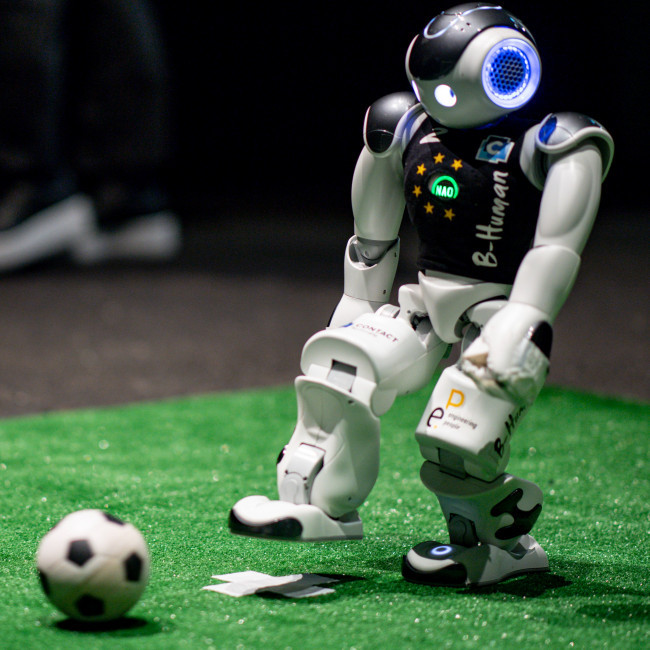
It’s now thought robots might become more efficient in the future and may not need to rely on big computer networks.
Visit Bang Premier (main website)