2026-08-13 11:03:03
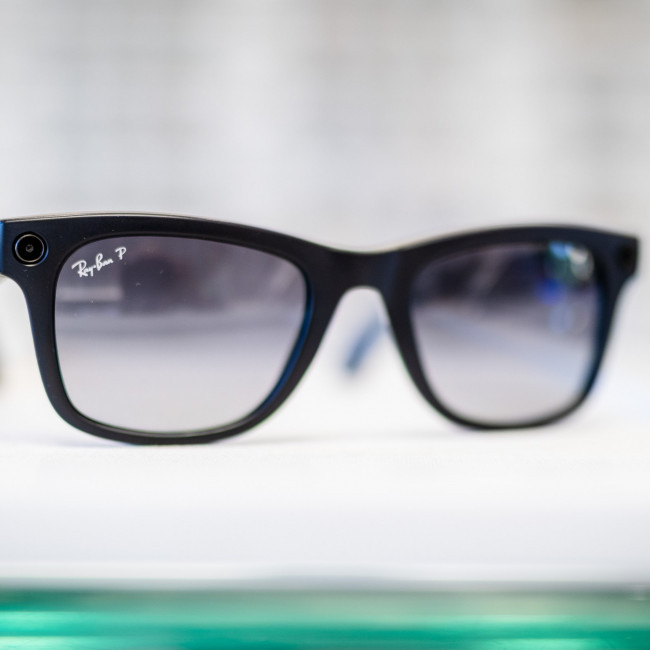
Meta smart glasses have been banned from every court and tribunal in England and Wales – with security staff instructed to confiscate the camera-equipped devices from anyone attempting to take them inside.
His Majesty’s Courts and Tribunals Service has confirmed the prohibition as concern grows about the ability of smart glasses to record people discreetly.
The move follows a similar ban across New York’s court system and comes amid a wider backlash against the technology in Britain, where pubs and other venues have introduced restrictions over privacy concerns.
An HMCTS spokesperson told The Guardian: “There are clear restrictions on taking images or videos within courts and tribunals which is why the use of Meta glasses is prohibited.”
Taking photographs or video inside court buildings without official permission is prohibited and can result in contempt of court proceedings.
Members of the public and lawyers can still enter court buildings carrying smartphones, despite the devices also being capable of recording audio and video.
They are permitted on the condition that they are not used to record proceedings.
HMCTS has decided smart glasses will be treated differently.
A source told The Guardian: “Users who bring Meta glasses into courts or tribunals will have them confiscated on entry and they will be returned when the owner leaves the building.”
Concerns about smart glasses inside British courts had already emerged before the ban.
Earlier this year, Laimonas Jakštys was accused by a judge of wearing smart glasses and receiving assistance while giving evidence in a High Court dispute concerning the directorship of a property company.
Raquel Agnello KC, sitting as a High Court judge, said Laimonas had been “assisted or coached in his replies to questions put to him during cross examination”.
Laimonas denied using the glasses to receive answers and also denied they were connected to his phone.
HMCTS does not hold figures showing how many incidents involving smart glasses have taken place in courts.
The restrictions in England and Wales follow action in the United States.
New York’s court system introduced a prohibition on smart glasses across its facilities last month, saying the policy was designed to ensure “individuals cannot surreptitiously record court proceedings”.
It said: “No individual possessing smart glasses will be permitted to enter a UCS (unified court system) facility unless they voucher the smart glasses for safekeeping by uniformed personnel while the individual remains in the facility.”
Meta’s eyewear has also caused controversy during a high-profile court case involving its own chief executive, Mark Zuckerberg.
Members of Mark’s security team were seen wearing Meta glasses during a trial in California in February concerning allegations over social media addiction.
Judge Carolyn B Kuhl warned the security guards they could face contempt proceedings if they had recorded any part of the case.
The court bans come as Meta faces a broader argument over the privacy implications of putting cameras and microphones into everyday eyewear.
More than seven million pairs of Meta smart glasses were reportedly sold last year.
The company has continued expanding its wearable technology operation and in June introduced new Meta-branded glasses developed with EssilorLuxottica, adding to products previously sold under the Ray-Ban and Oakley names.
Privacy concerns have intensified as the devices have become more common.
Critics have raised particular concerns about people being filmed without knowing that a camera is pointing at them, with some online critics labelling the devices “pervert glasses”.
Instagram has also responded to content involving people being filmed without consent.
Its head, Adam Mosseri, last month said material involving harassment or taking advantage of people would be removed, while Meta has taken action against accounts found to have breached its rules.
In Britain, JD Wetherspoon has banned the glasses from its pubs over privacy concerns surrounding unauthorised filming of customers and employees.
The controversy has also spread beyond Britain and the US. German digital rights organisation HateAid filed a criminal complaint this week against Meta and companies involved in selling its AI-enabled glasses in Germany, alleging that the devices could breach German privacy laws.
Authorities have acknowledged receiving the complaint and are conducting a preliminary investigation.
Meta has meanwhile introduced further safeguards designed to make covert recording more difficult. Its glasses use a visible LED to indicate when the camera is operating, and the company has introduced technology that disables the camera if the recording light is physically tampered with.
The British government said in June it had no current plans for legislation specifically governing camera-enabled smart glasses because existing criminal laws already cover conduct including harassment, stalking and voyeurism.
It said it would continue monitoring the issue.
Meta declined to comment to The Guardian specifically on the HMCTS ban.
The company said the glasses display a pulsing light when recording and that frequently updated tamper-detection technology is used to prevent people from covering the indicator during recordings.
Visit Bang Premier (main website)